How Cosmetic Dentistry Can Refresh Your Appearance Safely
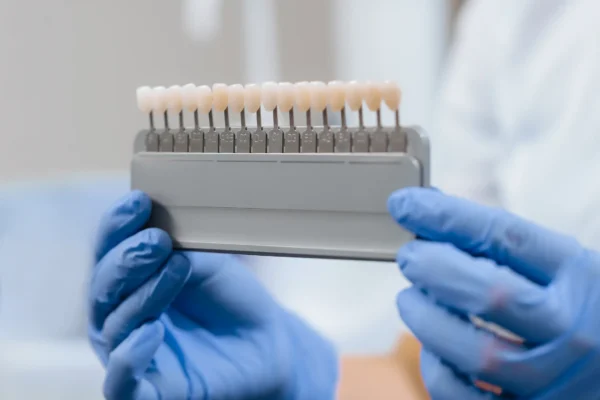
A refreshed appearance rarely comes from one dramatic change. More often, it comes from correcting the small details that draw attention for the wrong reasons, a chipped front tooth, uneven edges, deep staining that no whitening toothpaste can touch, or old dental work that has darkened over time. Cosmetic dentistry addresses those details directly, and when it is planned well, the result can look less like a makeover and more like a healthier, better-rested version of you.
That distinction matters. The best cosmetic dental work does not announce itself from across the room. It blends with the face, supports normal function, and holds up under daily use. Patients usually do not say, “I want cosmetic dentistry.” They say, “I hide my smile in photos,” or “my teeth Cosmetic Dentistry make me look older than I feel,” or “I had one bonding repair years ago and now it stands out.” Those are practical concerns, and they deserve practical, safe solutions.
Safety in cosmetic dentistry is not simply about avoiding complications during a procedure. It starts much earlier, with diagnosis, restraint, and case selection. A dentist can place veneers, whiten teeth, or replace old fillings beautifully, but if gum disease, grinding, bite instability, or unrealistic expectations are left unaddressed, the work can fail or create new problems. A fresh look should not come at the expense of enamel, comfort, or long term oral health.
What “refreshing your appearance” actually means
People often assume cosmetic dental treatment is about making teeth whiter and straighter. Sometimes it is. Just as often, the goal is subtler. Small shape corrections can soften a harsh smile. Replacing worn edges can make the face look less tired. Closing a minor space can create a more balanced look without changing the character of the smile. Even the way light reflects off properly contoured enamel or porcelain can make teeth appear healthier and younger.
Age shows in the mouth in ways many people do not notice until someone points them out. Teeth naturally pick up internal and external staining over time. Enamel wears down, edges flatten, and old restorations become more visible. Gum tissue may recede, exposing darker root surfaces. Years of clenching can shorten front teeth, which changes smile proportion and sometimes lip support. These are not vanity issues. They are part of how the lower third of the face presents.
Cosmetic dentistry, when used thoughtfully, can reverse some of those visible signs. Whitening can brighten color. Bonding can replace small lost corners and smooth chips. Veneers can restore shape, symmetry, and proportion. Crowns can rebuild heavily damaged teeth when more conservative options are not enough. Orthodontic treatment, including clear aligners in the right cases, can reposition teeth without removing healthy structure.
The key word is thoughtfully. Not every stain needs veneers. Not every slightly crooked tooth needs braces. Not every old crown needs replacement. Refreshing your appearance safely often means doing less than you expected, but doing it with precision.
The safest cosmetic plans begin with diagnosis, not design
One of the most common mistakes in cosmetic dentistry is beginning with aesthetics before understanding function. A smile can be designed on a screen, but teeth do not exist in isolation. They meet opposing teeth thousands of times a day. They absorb chewing forces. They react to clenching, acidity, dry mouth, and gum recession. They live in a biological system, not a photo filter.
A safe cosmetic workup usually includes a close examination of the gums, existing restorations, enamel thickness, bite pattern, and jaw habits. If a patient grinds heavily at night, that changes the treatment plan. If the front teeth are worn because the back teeth no longer support the bite properly, adding porcelain to the front without solving the force issue can lead to chipping or debonding. If there is active decay or untreated periodontal disease, cosmetic work should wait.
This is where experience shows. An ethical dentist will slow the process down when needed. They may recommend a cleaning and gum therapy before whitening, because inflamed gums bleed and distort smile aesthetics. They may suggest wearing a night guard after veneers or bonding, because protecting the new surfaces matters as much as placing them. They may say no to treatment that removes healthy enamel for a change that could be achieved with aligners or whitening.
Patients sometimes mistake that caution for a lack of cosmetic focus. In reality, it is often the opposite. Dentists who care deeply about appearance usually know exactly how easy it is to overdo treatment, and how hard it is to reverse it once healthy tooth structure is removed.
Whitening can make a bigger difference than people expect
If there is one treatment that consistently offers a noticeable visual lift with relatively low risk, it is professional whitening. It is also one of the most misunderstood. Over the counter strips and toothpastes can help with surface stain, but deeper discoloration often responds better to supervised treatment using custom trays or carefully applied in office products.
Whitening works best on natural teeth. It does not change the color of crowns, veneers, or tooth colored fillings, which means older restorations may start to stand out after the surrounding teeth brighten. That is not a reason to avoid whitening, but it is something to plan for. Many good cosmetic cases start with whitening, then move to selective replacement of the most visible older restorations to match the new shade.
Sensitivity is the main short term trade off. Some people sail through treatment. Others feel temporary zingers, especially if they already have recession or thin enamel. In most cases, that sensitivity settles within days and can be managed by adjusting the whitening schedule, lowering concentration, or using desensitizing products. Severe, persistent pain is not normal and should be evaluated.
Done well, whitening can make the whole face look more vibrant. It improves contrast with the lips and skin, and it tends to read as health rather than artifice. For patients who want a safe refresh without changing the shape of their teeth, it is often the smartest first step.
Bonding offers conservative improvement, with some limits
Composite bonding is one of the most useful tools in cosmetic dentistry because it can be conservative, efficient, and cost effective. A skilled dentist can repair chips, smooth uneven edges, close small spaces, and reshape slightly undersized or irregular teeth in a single visit or over two short appointments. In many cases, little or no drilling is needed.
The best bonding looks almost invisible when fresh. It can be polished to mimic enamel and layered to create natural translucency. For small corrections, it is hard to beat. It is also one of the few cosmetic options that can often be revised or repaired without major intervention.
Still, bonding is not magic. It tends to stain more than porcelain over the years, especially in patients who drink a lot of coffee, tea, red wine, or who smoke. It can chip if used to build large biting surfaces in someone with a strong bite or grinding habit. The margins may need maintenance. In experienced hands, those trade offs are manageable, but they should be discussed openly.
A patient with one small chipped incisor and otherwise healthy teeth is often an ideal bonding candidate. A patient who wants major color change, multiple shape changes, and high polish longevity across the entire smile may do better with porcelain. The treatment should fit the biology, the habits, and the expectations.
Veneers can be transformative, but only when chosen for the right reasons
Few treatments are more associated with smile makeovers than veneers. They can solve several problems at once, color inconsistency, shape irregularities, minor alignment issues, and wear. That versatility explains their appeal. But veneers also carry one of the biggest decision points in cosmetic dentistry because they usually involve some degree of irreversible tooth preparation.
The safest veneer cases are the ones driven by clear indications. Think of teeth that are intrinsically discolored and resistant to whitening, front teeth with significant wear, enamel defects, mismatched old bonding, or shapes that cannot be improved predictably with direct composite alone. In those settings, veneers can restore balance beautifully.
The riskiest veneer cases are often the ones done on healthy teeth primarily because a patient wants a trend driven “perfect” smile. Aggressive preparation, oversized shapes, and opaque bright shades can flatten individuality and create an unnatural result. They may also increase sensitivity or future repair needs. Once enamel is reduced, that commitment lasts for decades because veneers eventually need maintenance or replacement.
An experienced cosmetic dentist will usually spend substantial time on planning. That may include photographs, mockups, shade studies, and a preview of length and contour before final porcelain is made. Patients should feel comfortable asking how much tooth reduction is expected, whether no prep or minimal prep options are realistic, and how the proposed design suits their face, speech, and bite.
The most successful veneer cases tend to share one trait. They respect proportion. Teeth look clean and harmonious, not oversized, monochromatic, or generic.
Orthodontics can refresh a smile without covering teeth at all
Not every cosmetic problem needs a restorative solution. When spacing, crowding, or minor rotations are the main issue, moving the teeth can be the most conservative path. Clear aligners have expanded access to adult orthodontics, and for many patients they are easier to accept socially than braces.
There is a particular kind of cosmetic dentistry plan that benefits from orthodontics first, especially when people are considering veneers simply to mask overlap or close spaces. If the teeth can be repositioned into a better arrangement, the final restorative work may be smaller, or unnecessary altogether. That preserves natural structure and usually improves long term stability.
Orthodontics is not instant, and that is where some people hesitate. Treatment may take several months to well over a year, depending on complexity. It also requires compliance. Aligners only work when worn as directed. But when patients are good candidates and willing to commit, moving teeth can provide one of the safest and most biologically respectful cosmetic improvements available.
Sometimes the best cosmetic decision is patience.
Why gum health and tooth function matter as much as appearance
Cosmetic work succeeds when it is supported by healthy tissue. Even beautiful restorations look compromised if the gums are inflamed, uneven, or receding. The same goes for function. If front teeth are striking each other too hard during normal movement, new porcelain or bonding may fracture no matter how well it was made.
This is where many rushed treatment plans go wrong. A patient wants whiter, smoother front teeth, but the real issue may be advanced wear from nighttime grinding. Another wants veneers because the teeth appear short, but the gums are swollen from plaque retention, making the proportions look off. Once the inflammation is treated and the bite is Cosmetic Dentistry Toothworks of Bakersfield, Dentist and Orthodontist analyzed, the “cosmetic problem” changes.
Safe cosmetic dentistry often includes support measures that do not sound glamorous. Thorough cleanings. Gum treatment. Bite adjustment in selected cases. Replacement of failing old fillings beneath visible areas. Custom night guards. Management of dry mouth or acid erosion. These steps rarely show up in before and after marketing photos, but they often determine whether the attractive result lasts two years or ten.
The consultation should feel more like planning than selling
Patients can protect themselves by paying attention to the consultation experience. A good cosmetic consultation is not just a presentation of options. It is a conversation about goals, risks, alternatives, longevity, maintenance, and what compromises are acceptable.
These are sensible questions to ask before moving forward:
- What problem are we solving, color, shape, alignment, damage, or a combination?
- How much healthy tooth structure will be removed, if any?
- What is likely to need maintenance first, and in what time frame?
- How will my bite, grinding habits, or gum condition affect the result?
- Are there more conservative options that would still meet most of my goals?
The answers do not need to sound rehearsed. In fact, the best ones usually are not. A seasoned dentist will speak in specifics. They may tell you that one tooth is a good veneer candidate, but the neighboring tooth would be better treated with whitening and bonding. They may explain that a tiny asymmetry visible under bright operatory lights is not worth drilling healthy enamel to correct. Judgment like that is a sign of maturity, not hesitation.
A natural result usually ages better than an extreme one
Faces change over time. Skin tone shifts, lips thin slightly, and gum contours may evolve. Dental work that is too bright, too square, too long, or too uniform can start to look even more out of place as those changes occur. A natural result, by contrast, tends to age gracefully because it already works with real anatomy.
One common misconception is that younger looking teeth must be brilliant white. In practice, youth is communicated by several factors at once, clean color, intact edges, subtle translucency, balanced proportions, and harmony with facial features. The most youthful looking smiles are rarely the most artificial. They look alive.
I have seen patients who expected to want a dramatic shade change, only to choose something softer after trying samples against their skin tone in natural light. I have also seen patients insist that they needed eight or ten veneers, then feel fully satisfied after whitening, two small bonding repairs, and replacement of one old crown. The more carefully a plan is tailored, the less likely it is to produce regret.
Recovery, maintenance, and long term safety
Most cosmetic dental procedures involve modest recovery. Whitening may cause temporary sensitivity. Bonding and enamel contouring usually allow a quick return to normal activity. Veneer or crown preparation may leave teeth temporarily sensitive until final restorations are placed. Orthodontic treatment causes pressure and movement soreness at intervals, but not the type of recovery people associate with surgery.
Long term safety depends less on the procedure itself than on aftercare and habits. Cosmetic work lives in the same mouth that created the original wear, staining, or fractures. If those forces continue unchecked, the new dentistry carries the burden.
A few habits make a real difference:
- Keep regular hygiene visits and exams so small changes are caught early.
- Wear a night guard if you clench or grind, especially after bonding, veneers, or crowns.
- Use non abrasive home care products to protect enamel and polished surfaces.
- Limit frequent exposure to staining drinks, acids, and tobacco.
- Address chips, roughness, or bite changes early before they become larger repairs.
That is not glamorous advice, but it is the practical side of preserving cosmetic results. Patients sometimes assume the expensive part is the dentistry itself. Often, the more valuable investment is the discipline that keeps it looking good.
When less treatment is the safer choice
Not every smile needs intervention. Some of the healthiest and most appealing teeth have minor asymmetries, tiny rotations, faint translucency differences, or edges that are not perfectly mirrored. Character is not the same as defect. The pressure to erase every irregularity can lead people toward treatment that is more invasive than necessary.
A dentist with strong cosmetic judgment knows when to step back. They can say, “That line in the enamel is normal.” Or, “Your teeth are naturally small and delicate, so making them larger would look heavy.” Or, “You can get 80 percent of what you want with whitening and contouring, and preserve all your enamel.” Those recommendations may generate less revenue, but they often produce happier patients.
Safety in cosmetic dentistry is partly technical and partly philosophical. Technically, it means proper diagnosis, careful execution, and respect for biology. Philosophically, it means understanding that a refreshed appearance should still look like you. Better color, better proportion, better polish, yes. But also comfort, health, and credibility.
That is what people respond to when cosmetic dentistry is done well. They usually cannot name the procedure. They just notice that the smile looks brighter, the face looks more rested, and everything seems to fit.
Toothworks of Bakersfield, Dentist and Orthodontist
1030 H St #1, Bakersfield, CA 93304, United States
+1 661-323-9421
FAQ About Cosmetic Dentistry
Is bonding better than veneers?
Neither option is best for everyone. Composite bonding can address small chips, gaps, or shape concerns and is generally easier to repair. Porcelain veneers may offer greater resistance to staining and wear, but often require removal of some enamel. A dentist should assess your oral health, bite, goals, and budget before recommending treatment.
How long will dental bonding last?
Bonding commonly lasts about three to ten years before it needs repair or replacement, though this varies with the location and amount of bonding, your bite, and daily habits. Regular dental visits, good oral hygiene, and avoiding chewing hard objects can help protect it. Ask your dentist what lifespan is realistic for your particular treatment.
What are the risks of teeth whitening?
Whitening can cause temporary tooth sensitivity and gum irritation. Overuse or incorrect use may damage teeth or gums, and whitening does not change the color of existing crowns, veneers, or fillings. Have a dentist assess your teeth and gums, and follow the recommended product directions and treatment schedule.