Cosmetic Dentistry for Minor Repairs and Major Transformations
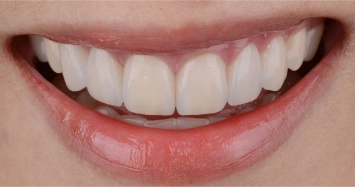
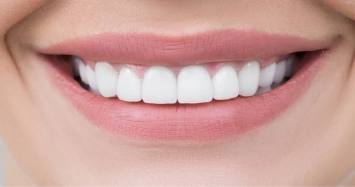
A surprising amount of cosmetic dentistry lives in the space between necessity and confidence. Patients rarely walk in saying, "I want ideal proportions, shade mapping, and surface anatomy." They say their front tooth chipped on a coffee mug. They say they avoid photos from one side. They say they finally want to fix the bonding that never quite matched. Some need a subtle repair that nobody else will notice. Others are ready for a broader change that reshapes how they look, speak, and carry themselves.
That range is what makes cosmetic dentistry both technical and deeply personal. The same field that can polish a rough edge or close a tiny gap can also rebuild a worn smile, correct asymmetry, and restore teeth after years of grinding, staining, or old dental work. The best results are not driven by trends. They come from careful diagnosis, restraint where restraint is wise, and a treatment plan built around the face, bite, budget, and long-term health of the teeth.
The difference between cosmetic improvement and cosmetic overreach
A common misconception is that cosmetic dentistry is mainly about making teeth whiter or straighter. Sometimes it is. Just as often, it is about recovering what has been lost. Enamel chips. Bonding stains. Fillings darken. Edges flatten with age. Teeth shift after orthodontics, especially when retainers are forgotten for a few years. Even a single dark crown in the smile zone can draw more attention than people realize.
The challenge is knowing when a conservative fix is enough and when it will only postpone a larger problem. A front tooth with a tiny corner chip may do beautifully with simple bonding. A similar-looking chip on a severely worn bite may keep breaking unless the bite is addressed first. A patient asking for veneers may actually need whitening and reshaping. Another asking for whitening may have internal discoloration, mismatched restorations, and uneven gum levels that make whitening alone disappointing.
This is where judgment matters. Cosmetic dentistry is not just a menu of procedures. It is a sequence of decisions. The order changes the outcome.
Minor repairs that make a major visual difference
Small changes can be remarkably effective because the eye notices irregularity faster than it notices perfection. A tiny defect near the center of the smile often feels much larger to the person who sees it every morning in the mirror.
Chipped edges are one of the most common examples. If the fracture is limited to enamel or a small amount of dentin, bonded composite can often restore the shape in a single visit. When done well, the repair is not just a blob of tooth-colored material. It involves layering shades and translucencies, shaping the edge, and polishing the surface so it reflects light like a natural tooth. The difference between average bonding and excellent bonding usually shows up in texture and gloss, especially in daylight.
Spacing can also be treated conservatively. A slight gap between front teeth, or a tooth that appears narrow because of shape rather than position, may be improved with bonding or veneers depending on the case. Bonding preserves more natural tooth structure, costs less, and is easier to revise. Veneers offer more control over shape, color, and durability, but they usually involve a higher investment and more planning.
Stains present another category where the solution depends on the source. Surface discoloration from coffee, tea, red wine, or tobacco often responds well to cleaning and whitening. Internal discoloration is less predictable. A tooth darkened after trauma may require internal bleaching, a veneer, or a crown, depending on how much structure remains and whether the tooth has had root canal treatment. Tetracycline staining and fluorosis can also be improved, but expectations need to be managed carefully. Some cases respond beautifully to whitening and microabrasion. Others need restorative treatment for a meaningful change.
Old dentistry in the front of the mouth often becomes a cosmetic issue before it becomes a functional one. Composite fillings on front teeth can stain at the margins. Older crowns can recede at the gumline and reveal a dark edge. Mismatched shades become more obvious after surrounding teeth whiten. Replacing restorations for appearance alone is reasonable in some cases, but every replacement also removes or risks more tooth structure. The goal should be improvement with the least biological cost.
When a smile makeover is more than a cosmetic wish
Larger transformations usually involve more than color. They may include tooth size, shape, alignment, bite position, gum symmetry, and wear patterns. Patients often assume the dramatic visual change comes from veneers alone, but comprehensive cases are usually built on diagnosis and sequencing.
Take the patient with flattened front teeth, several old restorations, and a deep bite. They may say they want longer teeth and a brighter smile. If you lengthen the teeth without accounting for how the upper and lower arches meet, those new edges may chip quickly. If you whiten before replacing visible crowns, the new shade may make the old crowns look worse for several weeks or months. If the gums are uneven, beautiful ceramics can still look off because tooth proportions are controlled partly by what the gums reveal.
A true smile transformation often includes preliminary work that is not glamorous. It may involve periodontal treatment to improve gum health, orthodontics to move roots into safer positions, or a night guard to protect against clenching. Patients do not always expect this stage, but it is often what separates a short-lived cosmetic result from one that still looks good years later.
Some of the most rewarding transformations are not the brightest or most dramatic. They are the ones that return harmony to a face. A patient who has hidden worn teeth behind a tight smile for a decade may not want celebrity-white veneers. They may want teeth that look like the healthier version of their own. That is often the wiser target.
The most common tools in cosmetic dentistry
Cosmetic dentistry includes a wide range of materials and methods, but a few treatments account for most real-world cases:
- Professional whitening improves tooth color when enamel and dentin are structurally sound and discoloration is within a treatable range.
- Composite bonding repairs chips, reshapes teeth, closes small spaces, and masks minor defects with minimal or no drilling in some cases.
- Porcelain veneers change color, shape, and proportion with high esthetic control, especially in the front teeth.
- Crowns are used when a tooth needs full coverage because of heavy restoration, fracture risk, or major structural loss.
- Orthodontic treatment, including clear aligners, corrects tooth position and often creates a better foundation for any restorative work that follows.
That list looks simple on paper. In practice, treatment often combines two or three of these approaches. For example, aligners may straighten the teeth, whitening may lift the shade, and only then might a small amount of bonding be used to refine the edges. That sequence is more conservative than placing veneers on every visible tooth, and in many patients it creates a more natural result.
Whitening, the gateway treatment that is not always enough
Teeth whitening is often the first step because it is conservative and relatively affordable. It can refresh a smile quickly, especially when discoloration is largely external. Custom trays made through a dental office typically produce more controlled and Cosmetic Dentistry comfortable results than impulse-purchased kits, although some over-the-counter products are useful for maintenance.
Still, whitening has limits. It does not change the color of crowns, veneers, or tooth-colored fillings. It can make those restorations stand out if they are visible in the smile. It also does not correct shape, alignment, translucency defects, or worn edges. Many patients who are disappointed by whitening are not poor candidates for whitening itself. They simply needed someone to explain what whitening can and cannot do.
Sensitivity is the trade-off most people notice. It is usually temporary, but for patients with recession, exposed root surfaces, or naturally sensitive teeth, the process needs to be paced properly. Shorter wear times, lower concentrations, desensitizing gels, and a slower treatment schedule often help. The idea that more whitening, faster, always means better results is one of the habits that leads to frustration.
Bonding, the quiet workhorse
Composite bonding deserves more respect than it gets. In skilled hands, it can solve a wide range of minor cosmetic concerns with very little sacrifice of healthy tooth structure. It is especially useful for younger patients, for those who want a reversible or lower-cost option, and for cases where preserving enamel matters.
Bonding is not permanent, and it is not identical to porcelain. It can stain over time, especially in heavy coffee or tea drinkers, and it may need polishing, repair, or replacement sooner than ceramic work. But it is also repairable chairside, which is a major advantage. A small chip in a veneer usually means laboratory involvement and more expense. A small chip in bonded composite may be corrected in one visit.
The artistic side of bonding is real. Cosmetic Dentistry Matching opacity, mamelon effects, incisal translucency, and surface texture takes time and skill. Many patients choose based on before-and-after photos, which makes sense, but photographs do not always reveal longevity, finishing quality, or how restorations look when wet, dry, or viewed in natural light. If cosmetic bonding is part of the plan, it is worth seeing examples of work on cases similar to your own, not just dramatic transformations.
Veneers, powerful when used for the right reasons
Porcelain veneers have become shorthand for cosmetic dentistry, but they are not a universal answer. They are best viewed as a high-control restorative option for the visible surface of the tooth. They can change color, contour, length, and apparent alignment in ways bonding often cannot sustain as predictably.
Used well, veneers can look elegant and believable. Used aggressively, they can look bulky, opaque, and disconnected from the face. The risk is not just aesthetic. Over-preparation removes healthy enamel and can make the teeth more dependent on future maintenance. This is why the planning phase matters so much. Diagnostic wax-ups, mock-ups, photographs, and discussion of final tooth length are not extras. They are part of responsible treatment.
Patients are sometimes surprised to learn that the most natural veneer cases are often the least obvious. A good veneer does not announce itself. It handles light well, respects the gumline, and fits the person's age, lip dynamics, and facial features. An ultra-white, square, uniformly opaque smile can be striking, but striking is not always the same as attractive or durable.
Cosmetic dentistry and function cannot be separated
Any discussion of appearance that ignores bite is incomplete. Teeth are part of a moving system. They contact, guide, absorb force, and react to habits. If someone clenches at night, bites their nails, chews ice, or has a bite that overloads the front teeth, cosmetic work may fail no matter how beautiful it looked on delivery day.
This is particularly relevant in patients with wear. Worn teeth are not only shorter. They often tell a story about force, acid exposure, reflux, eating patterns, or parafunction. Restoring them without understanding the cause is like repainting a wall with an active leak behind it.
A protective night guard is not glamorous, but it can be one of the smartest investments after cosmetic treatment. So can addressing dry mouth, reflux, or a habit of using the front teeth as tools. Cosmetic dentistry tends to be associated with surface improvement, yet the cases that last are usually the ones supported by better habits and better mechanics.
Gumlines, proportions, and the details people cannot name
Patients often describe a smile as looking "crooked" or "small" when the real issue is not tooth alignment at all. It may be uneven gingival architecture, short clinical crowns, or asymmetry in how the upper lip reveals the front teeth. These details are easy to miss in casual conversation but powerful in the final result.
Sometimes a minor gum recontouring procedure changes the balance of a smile more than changing the teeth themselves. Sometimes moving a tooth orthodontically into a better position allows the gum to follow naturally, producing a more stable result than trimming tissue alone. In other cases, a tooth that looks too short is simply worn down, and the solution lies in restoring length while keeping the bite safe.
These are the cases where a comprehensive view matters. Cosmetic dentistry is often at its best when several modest corrections work together. Straightening a rotated lateral incisor, adjusting one uneven gum margin, whitening a few shades, and rebuilding worn edges can produce a dramatic improvement without making any single feature look artificial.
What patients should ask before starting treatment
Not every cosmetic plan is equally conservative, durable, or maintainable. A useful consultation does more than quote a price. It explains the diagnosis, the alternatives, and what trade-offs come with each option.
Here are a few questions worth asking in plain language:
- How much natural tooth structure will this option remove, if any?
- What will need maintenance over the next five to ten years?
- Will whitening, orthodontics, or gum treatment improve the result before restorative work begins?
- How will my bite, clenching, or grinding affect longevity?
- Can I preview the proposed shape or length before final treatment?
Those questions often reveal whether the plan is being driven by convenience or by sound sequencing. They also help patients compare options more intelligently. A less invasive treatment may require more maintenance. A more durable material may require more reduction. There is rarely a perfect answer, only a best fit for a particular mouth and a particular set of priorities.
Cost, longevity, and the value question
People understandably want to know what cosmetic dentistry costs, but the more useful question is what a result will require over time. A conservative bonded repair may be excellent value even if it needs refreshing sooner. A veneer may last much longer, but the upfront cost and long-term commitment are greater. Crowns can be very durable, but if they were placed mainly to solve a cosmetic concern on otherwise healthy teeth, the biological price may be too high.
Longevity depends on more than material choice. Oral hygiene, diet, smoking, grinding, bite design, and the quality of the original work all influence how long restorations remain attractive and intact. It is reasonable to think in ranges rather than promises. Bonding may need touch-ups in a few years. Whitening requires maintenance. Ceramics can perform well for many years, but they are not immune to fracture, gum recession, or changing esthetic expectations.
The best value in cosmetic dentistry often comes from doing the minimum that reliably solves the actual problem. If a patient hates one dark central incisor and the surrounding teeth are healthy and attractive, rebuilding the whole front smile may be unnecessary. If a patient has generalized wear, collapsing edges, and a bite issue, repeatedly patching individual chips may become the expensive choice in the long run.
The emotional side is real, even when the repairs are small
Cosmetic concerns can sound trivial to people who have never felt self-conscious about their teeth. They are not trivial to the person who edits their smile in every conversation. A tiny fracture line on a front tooth can occupy far more mental space than outsiders would guess. So can spacing, discoloration, or a crown that never matched.
At the same time, the emotional pull toward a big fix can lead people to choose treatment that is more aggressive than they need. One of the most valuable things a dentist can do is slow the process down just enough to separate dissatisfaction from diagnosis. What specifically bothers you? When did it start? Are you trying to restore what changed, or are you chasing a different look entirely? Those answers shape better treatment.
Patients are often relieved to hear that meaningful improvement does not always require a full makeover. A bit of alignment, selective bonding, and whitening can be transformative. Others are relieved to learn that their more comprehensive case has a clear path, even if it unfolds over months instead of days.
Cosmetic dentistry at its best
The strongest cosmetic results share a few traits. They respect biology. They fit the face. They hold up under function. They do not advertise the materials used to create them. Most of all, they solve the right problem.
That may mean repairing one chipped incisor so precisely that nobody can find the repair. It may mean rebuilding a worn smile after years of grinding. It may mean replacing stained, aging dental work with restorations that finally look at home in the mouth. The scale differs, but the principle stays the same: improve appearance without losing sight of comfort, health, and longevity.
Cosmetic dentistry is not only about transformation. It is also about discretion, restraint, and timing. Sometimes the best treatment is the smallest one. Sometimes a major change is exactly what the case requires. The skill lies in knowing the difference, then carrying it out with a clear eye and a steady hand.
Toothworks of Bakersfield, Dentist and Orthodontist
1030 H St #1, Bakersfield, CA 93304, United States
+1 661-323-9421
FAQ About Cosmetic Dentistry
Is bonding better than veneers?
Neither option is best for everyone. Composite bonding can address small chips, gaps, or shape concerns and is generally easier to repair. Porcelain veneers may offer greater resistance to staining and wear, but often require removal of some enamel. A dentist should assess your oral health, bite, goals, and budget before recommending treatment.
How long will dental bonding last?
Bonding commonly lasts about three to ten years before it needs repair or replacement, though this varies with the location and amount of bonding, your bite, and daily habits. Regular dental visits, good oral hygiene, and avoiding chewing hard objects can help protect it. Ask your dentist what lifespan is realistic for your particular treatment.
What are the risks of teeth whitening?
Whitening can cause temporary tooth sensitivity and gum irritation. Overuse or incorrect use may damage teeth or gums, and whitening does not change the color of existing crowns, veneers, or fillings. Have a dentist assess your teeth and gums, and follow the recommended product directions and treatment schedule.